

Ligier
The French manufacturer with a unique dual identity — a Formula 1 team that competed in the world's most prestigious motor racing series through the 1970s and 1980s, and a leading producer of light quadricycles and microcars that do not require a conventional driving licence in several European markets.
Origins of Ligier
Ligier was founded in 1968 by Guy Ligier — a French racing driver, rugby player, and entrepreneur who created the company initially to produce sports cars for competition. The brand's first vehicle was the JS1, a road-going sports car powered by a Cosworth V8 engine. The 'JS' designation used throughout Ligier's history honours Guy Ligier's close friend and business partner Jo Schlesser, who died in a racing accident in 1968, the same year the company was founded.
Ligier's Formula 1 team was established in 1976 and competed in the championship until 1996, achieving notable success with drivers including Jacques Laffite. The team scored multiple race victories and pole positions, with its most competitive period coming in the late 1970s and early 1980s when the JS11 was one of the fastest cars in the championship. In 1996, the team was sold to Flavio Briatore and became the Prost Grand Prix team.
After selling the Formula 1 team, Ligier reinvented itself as a manufacturer of light quadricycles and microcars. These vehicles — which in France and several European countries can be driven from the age of 14 without a conventional driving licence — became a major commercial success. Ligier's microcars serve elderly drivers who have surrendered their licences, young people not yet eligible for a full licence, and others who require a simple, economical vehicle for short urban journeys. The brand has since become the leading microcar manufacturer in France.
Key Milestones
Notable Models
Ligier's current range focuses on microcars and light quadricycles — vehicles occupying a unique regulatory and practical niche in European personal mobility.
Technology & Engineering
Ligier's microcar engineering must achieve a precise balance — vehicles must meet the strict dimensional and performance limits of European quadricycle regulations while providing adequate comfort, safety, and reliability for daily urban use.
- European L7e quadricycle certification — Ligier's vehicles are engineered to comply with EU quadricycle regulations, which impose strict limits on maximum speed (45 km/h), engine displacement (50cc/4kW), and vehicle mass, enabling licence-free operation in several European markets
- Electric powertrain options — Ligier was among the first microcar manufacturers to offer electric variants, providing zero-emission personal mobility suited to the short-range urban journeys that characterise typical microcar use
- Safety-focused construction — despite their small size and light weight, Ligier's vehicles are engineered with safety-cell body construction, three-point seatbelts, and lighting systems meeting European road safety standards for quadricycle-category vehicles
- Compact urban dimensions — Ligier's microcars are dimensioned specifically for dense urban environments, with turning circles and parking footprints significantly smaller than conventional passenger cars, enabling access to spaces and areas inaccessible to full-size vehicles
Ligier in Azerbaijan
Ligier microcars are not sold in Azerbaijan, as the European quadricycle regulatory framework under which they are designed does not apply in Azerbaijani law. However, the concept of licence-accessible personal mobility that Ligier's microcars represent has relevance for discussions about urban transport access in Azerbaijan's cities, particularly for elderly and young users.
Ligier's Formula 1 heritage, while distant from its current microcar products, gives the brand a motorsport credibility that resonates with automotive enthusiasts worldwide. The brand's unique journey from Formula 1 constructor to microcar manufacturer illustrates how automotive companies can successfully reinvent themselves around new market opportunities while retaining a distinctive identity.
Why Ligier Matters
- Licence-free mobility pioneer: Ligier recognised and capitalised on the substantial demand for personal mobility among people who cannot or choose not to hold a conventional driving licence — creating a product category that serves a genuine social need while generating significant commercial success.
- Formula 1 to microcar reinvention: Ligier's transformation from Formula 1 team to microcar manufacturer is one of the automotive industry's most unusual brand evolution stories — demonstrating that a company with the right culture and management can successfully pivot to an entirely different market segment.
- France's microcar market leadership: Ligier has grown to become the leading microcar manufacturer in France — demonstrating that a focused, premium approach to a niche product category can generate a dominant market position in the world's most culturally significant automotive market.
- Electric microcar accessibility: Ligier's early adoption of electric powertrains in its microcar range has positioned the brand at the intersection of the European urban mobility revolution and the electrification of personal transport — providing zero-emission mobility to users who have been largely overlooked by mainstream EV manufacturers.
Iconic Models in Pictures
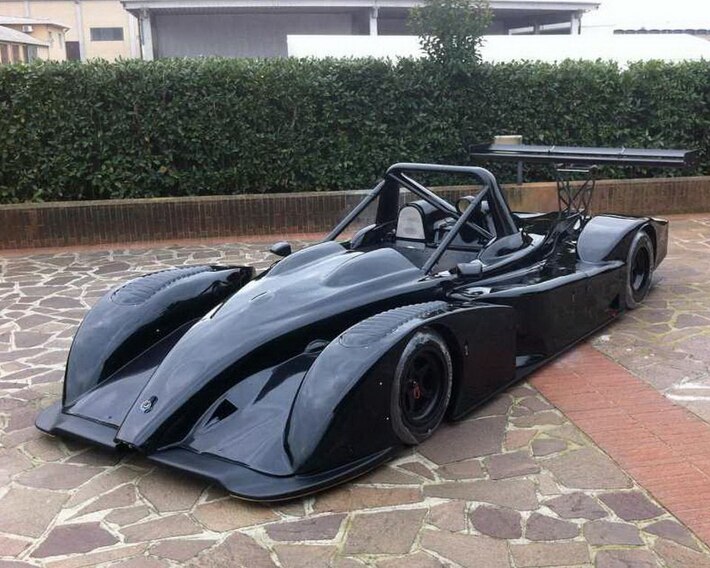
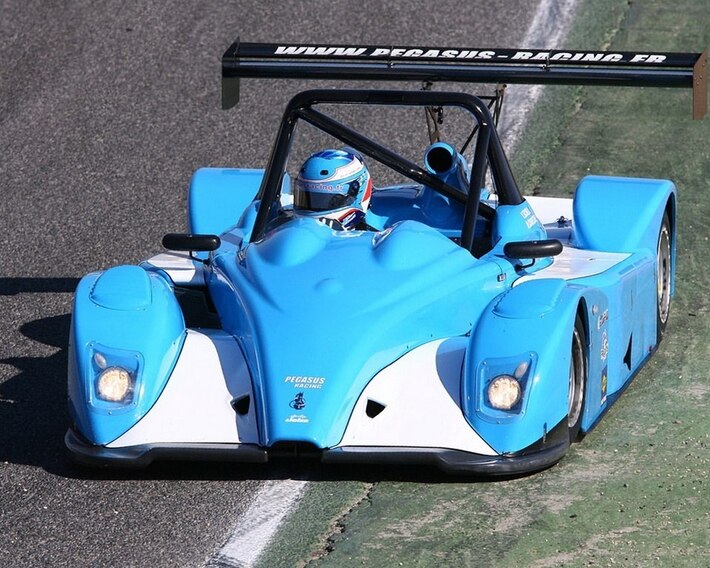
Ligier vehicles — a visual selection of the iconic models produced by this manufacturer.
BakuWheels uses cookies to improve your experience, analyse site traffic, and personalise content. By clicking Accept All, you consent to our use of cookies. Learn more in our Cookie Policy.