

Smart
Smart redefined what a city car could be — tiny, bold, and unapologetically clever. Now reborn as a fully electric brand under the Geely-Mercedes joint venture, Smart is writing the next chapter of micro-mobility for the connected generation.
Origins & Heritage
Smart was conceived from an unlikely alliance between Swiss watchmaker Swatch and Mercedes-Benz parent Daimler AG. The concept was simple but radical: a two-seat city car so compact that parking in the urban jungle would never be a problem again. The brand name itself is an acronym — Swatch Mercedes ART — though Swatch eventually withdrew from the project before the first car reached showrooms.
The Micro Compact Car AG (MCC) company launched the original Fortwo in 1998 at the Paris Motor Show, offering a car just 2.5 metres long that could park perpendicular to the kerb in a standard parallel parking bay. The Tridion safety cell — a colour-contrasting steel cage — gave the tiny car structural rigidity despite its diminutive proportions, defying sceptics who doubted a microcar could meet modern crash standards.
After Daimler acquired full ownership in 2006, Smart expanded its model range with the Forfour, Roadster, and ForMore concepts. However, profitability remained elusive for decades. The brand's transformation came in 2019 when Daimler and Geely established Smart Automobile Co. as a 50/50 joint venture, relocating design to Mercedes studios in Germany while engineering and manufacturing moved to Geely's sophisticated Chinese facilities.
Key Milestones
Iconic Models in Pictures
The iconic Smart Fortwo urban microcar and its electric successor have made Smart synonymous with clever city mobility — proving that smaller really can be smarter.
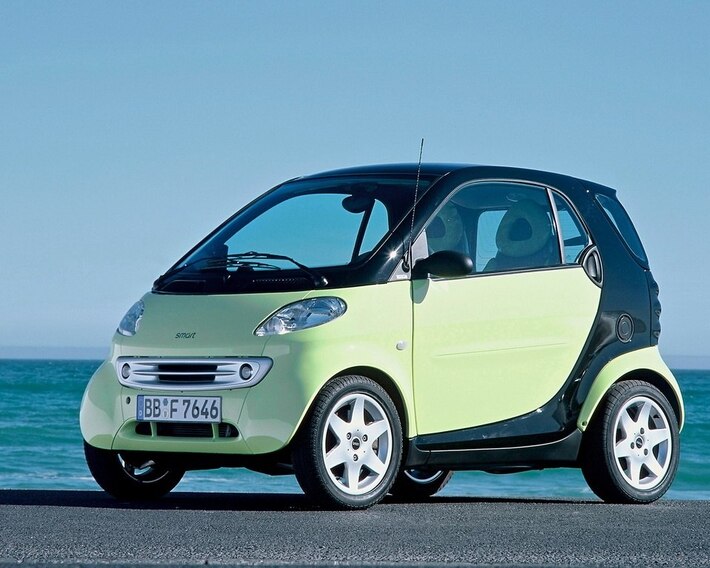
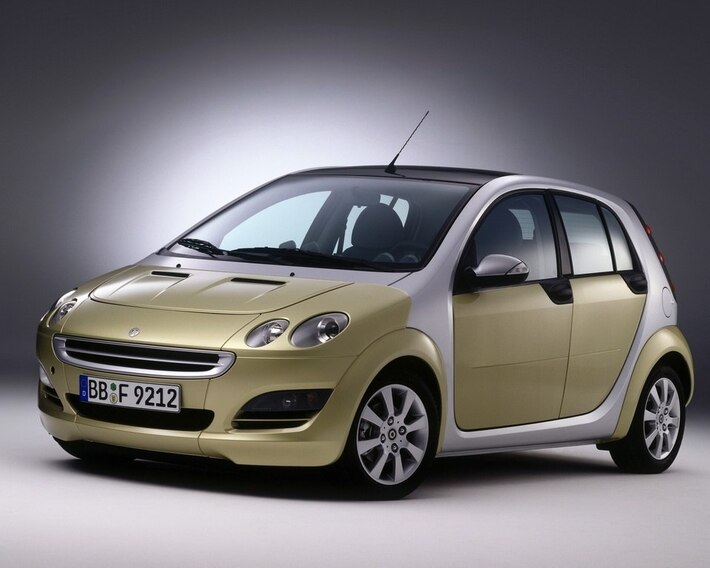
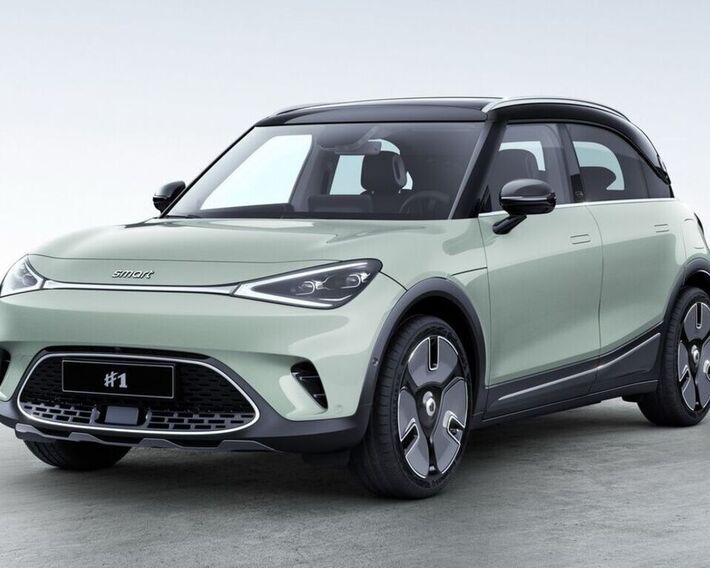
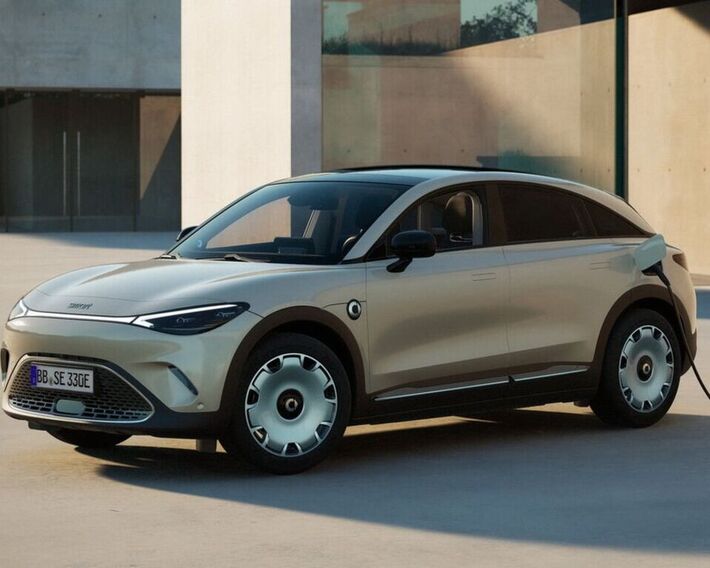
Signature Model Lineup
The new Smart lineup under the Geely-Mercedes joint venture is a dramatic departure from the original Fortwo era. Rather than microcars, the brand now produces premium compact SUVs and crossovers, all fully electric, all positioned to attract tech-forward urban families who want Mercedes-grade design refinement without the Mercedes price tag.
Technology & Innovation
The new-generation Smart vehicles are built on Geely's Sustainable Experience Architecture (SEA), a dedicated EV platform that underpins vehicles across the Geely Group including Volvo's Polestar 2. This architecture enables flat-floor interiors, superior battery packaging, and ultra-fast 150 kW DC charging capability.
Mercedes-Benz contributes its MBUX-inspired infotainment philosophy to the Smart experience, resulting in a system that feels premium and intuitive. The interior design — handled at Mercedes' studios in Germany — blends Scandinavian minimalism with Chinese tech-forward influences, creating a cabin that punches well above the brand's price point.
- SEA (Sustainable Experience Architecture) — Geely's dedicated BEV platform with 800 V charging readiness
- 150 kW DC fast charging — 10–80% in approximately 30 minutes
- ADAS Level 2+ — adaptive cruise, lane centring, and automated parking
- Over-the-air updates — continuous feature improvements delivered remotely
- Smart App ecosystem — remote pre-conditioning, charging schedule management
- Mercedes-inspired HMI — 12.8-inch AMOLED touchscreen with physical shortcut controls
Smart in Azerbaijan
Smart vehicles have historically attracted Baku's younger urban professionals drawn to the brand's distinctive character and compact footprint — ideal for navigating the narrow streets of the Old City and finding parking in Baku's congested commercial districts. The original Fortwo enjoyed cult status among city-centre residents who appreciated its 2.5 m parking footprint.
With the brand's relaunch as a premium electric marque, the Smart #1 and #3 are positioned to attract tech-enthusiast buyers in Azerbaijan's growing electric vehicle market. As charging infrastructure develops across Baku, the Smart lineup offers a compelling blend of European design credentials and accessible premium pricing.
Why Choose Smart?
- Urban intelligence: Whether the original Fortwo or the new #1, Smart vehicles are engineered around the realities of city living — compact, practical, and characterful.
- Mercedes design DNA: New-generation models are styled at Mercedes-Benz studios, delivering genuine premium aesthetics at a competitive price point.
- Full electrification: The new Smart lineup is 100% battery electric — zero tailpipe emissions, low running costs, and seamless integration with home charging.
- Brabus performance: For drivers who want more, Brabus-tuned variants offer supercar-rival acceleration from a family-friendly body.
- Tech-forward interior: AMOLED touchscreen, ambient lighting, and OTA update capability rival established premium brands at a fraction of the price.
- Geely reliability: Engineered on Geely's proven SEA platform with a global supply chain and robust quality control — the same architecture as Polestar and Volvo EVs.
BakuWheels uses cookies to improve your experience, analyse site traffic, and personalise content. By clicking Accept All, you consent to our use of cookies. Learn more in our Cookie Policy.