

Moskvich
Moskvich is one of Russia's most storied automotive names, with a history stretching back to 1930 and millions of cars produced during the Soviet era. After decades of decline and eventual closure in 2002, the Moskvich brand was dramatically revived in 2022 at the historic Moscow plant, producing new vehicles under Russian state ownership as part of a wider effort to rebuild domestic automotive capacity following international sanctions.
Origins & Heritage
Moskvich — meaning "resident of Moscow" in Russian — traces its origins to 1930, when the Moscow Small Car Plant (MZMA) was established to produce affordable vehicles for Soviet citizens. The plant initially produced the KIM-10, based on the Ford Prefect, before the brand truly came into its own with the iconic Moskvich 400 in 1946 — a model derived from the Opel Kadett K38 taken as war reparations from Germany. These early models established the Moskvich nameplate as a symbol of accessible Soviet motoring.
Through the 1950s and 1960s, Moskvich developed its own engineering identity with the 402, 408, and 412 series — vehicles that were actually exported to Western Europe, where they competed on price in markets including the UK, France, and Belgium. The Moskvich 412 was a genuine technical achievement for its era, winning the London-Sydney Marathon long-distance rally in its class in 1968, demonstrating reliability that surprised international audiences.
The brand struggled through the economic turbulence of the post-Soviet period and was formally closed in 2002. In December 2022, following the exit of Renault from its AvtoVAZ and Moscow plant investments due to sanctions, the Russian government and Moscow city administration revived the Moskvich brand at the former Renault Moscow factory, producing new vehicles to rebuild the domestic automotive market.
Key Milestones
Iconic Models in Pictures
From beloved Soviet-era classics exported across Europe to the brand's remarkable 21st-century revival, Moskvich's model history spans nearly a century of Russian automotive engineering.
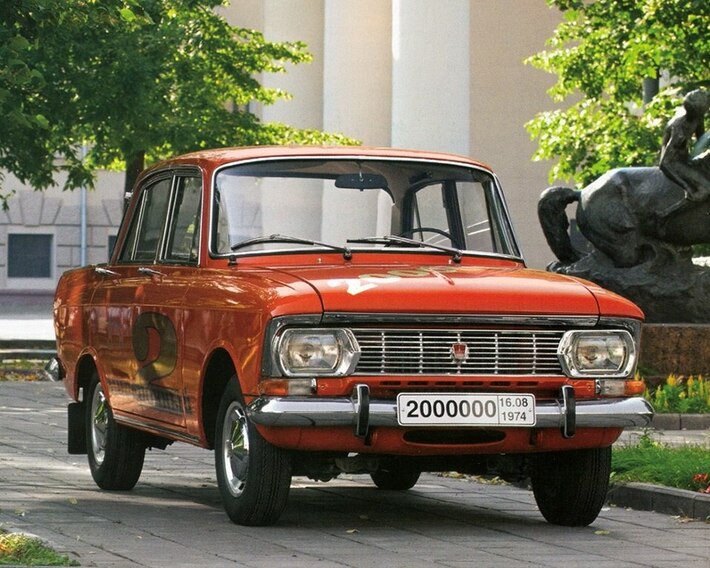
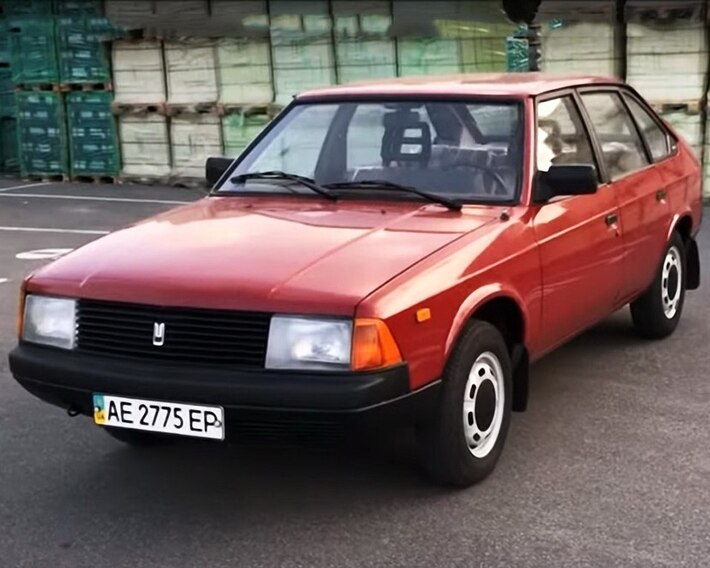
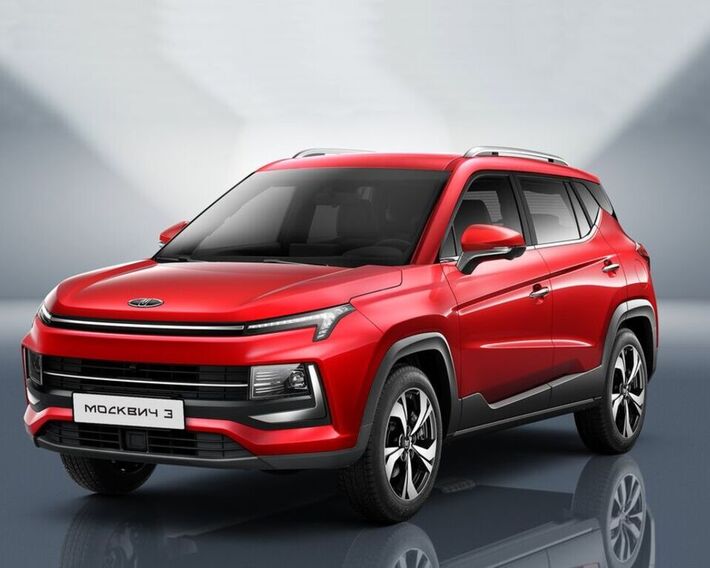
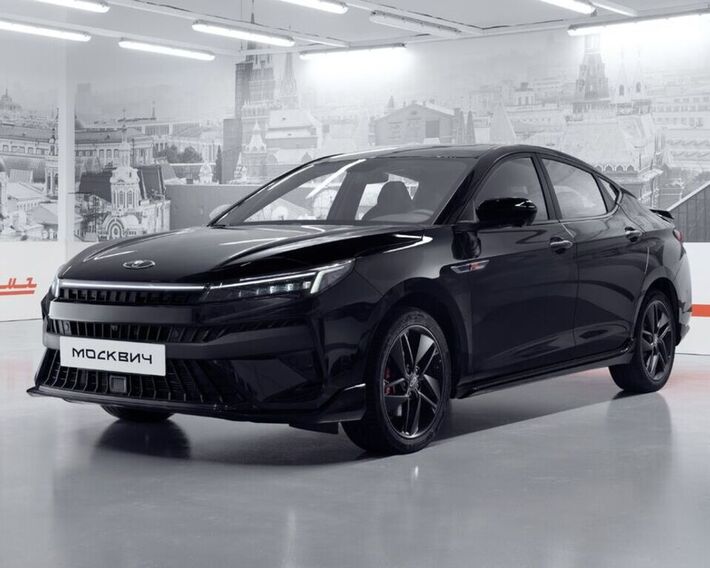
Model Lineup
The revived Moskvich brand currently offers compact SUV models in both conventional petrol and all-electric configurations, with the vehicles based on Chinese JAC platforms localised for Russian market production.
Technology & Innovation
The revived Moskvich vehicles are produced at the Moscow plant using platforms and major components sourced from Chinese partner JAC Motors, with localisation of certain elements including software, interiors, and final assembly carried out in Moscow. The Moskvich 3e electric model uses a Chinese-developed EV drivetrain and battery system, with a range of approximately 410 km CLTC. While the current vehicles represent a transitional approach rather than fully independent Russian engineering, the long-term ambition is to increase the proportion of domestically developed content as Russia's automotive supply chain rebuilds.
- Moskvich 3e battery-electric drivetrain — 410 km CLTC range, DC fast-charging capable, zero-emission city mobility
- Russian-language infotainment with domestic mapping, Yandex services integration, and voice control
- ADAS safety suite — autonomous emergency braking, lane assist, and rear cross-traffic alert
- Moscow plant production — maintaining a genuine Russian manufacturing heritage at a historic automotive site
- Domestic aftersales network — Russian parts supply and service infrastructure independent of Western supply chains
Moskvich in Azerbaijan & the Caucasus
Moskvich carries significant nostalgic value in Azerbaijan and across the South Caucasus, where millions of Soviet-era Moskvich vehicles were a familiar sight for decades. The classic Moskvich 412 and 2141 remain fondly remembered by older generations, and the brand's revival has generated genuine curiosity in the region alongside the broader wave of new Russian and Chinese vehicles entering the Caucasus market.
The new Moskvich 3 and 3e are available through CIS distribution channels, offering Azerbaijani buyers a combination of recognisable brand heritage and modern SUV practicality at competitive price points. For buyers with a cultural connection to the Moskvich name, the revived brand represents an emotionally resonant choice in an increasingly crowded SUV marketplace.
Why Choose Moskvich?
- Iconic heritage brand: One of the most recognisable automotive names across the post-Soviet space, carrying nearly a century of cultural and emotional significance.
- Electric option available: The Moskvich 3e makes the brand one of the few Russian marques offering genuine battery-electric vehicles to domestic and CIS buyers.
- Competitive pricing: As a state-backed domestic brand, Moskvich vehicles are priced to be accessible within the Russian and CIS market context.
- Domestic parts supply: Russian-market service infrastructure and parts availability independent of Western supply chain constraints.
- CIS familiarity: The Moskvich name generates goodwill and recognition across the former Soviet space that no new brand could replicate.
BakuWheels uses cookies to improve your experience, analyse site traffic, and personalise content. By clicking Accept All, you consent to our use of cookies. Learn more in our Cookie Policy.