
Daewoo
Korea's Great Global Adventure
The Daewoo Story
Daewoo Motors was established in 1967 as part of South Korea's state-led industrialisation drive, sitting alongside Hyundai and Kia in the Korean automotive triumvirate. The Daewoo Group grew through the 1980s and 1990s into a vast conglomerate spanning 22 industries — and its automotive arm became the flagship of that ambition.
A long-running technical partnership with General Motors through the 1970s and 1980s gave Daewoo access to world-class engineering. By the 1990s the brand was exporting to over 190 countries, and models like the Lanos, Nexia, and Matiz became the first cars many drivers in the developing world ever owned.
The 1997-98 Asian financial crisis proved fatal for the Daewoo Group. The company filed for bankruptcy in 1999, and its automotive division was acquired by General Motors in 2002 and reborn as GM Korea. Certain models lived on — and still do — under Uzbekistan's UzAuto Motors.
Key Milestones
Daewoo Gallery
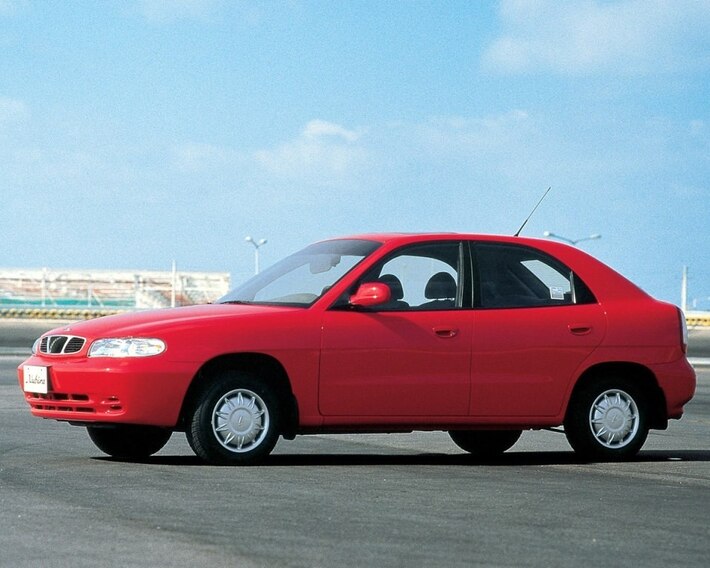
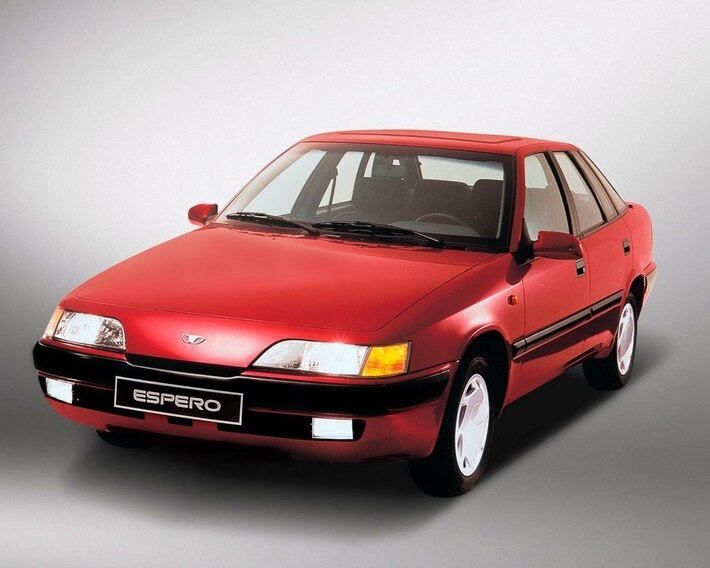
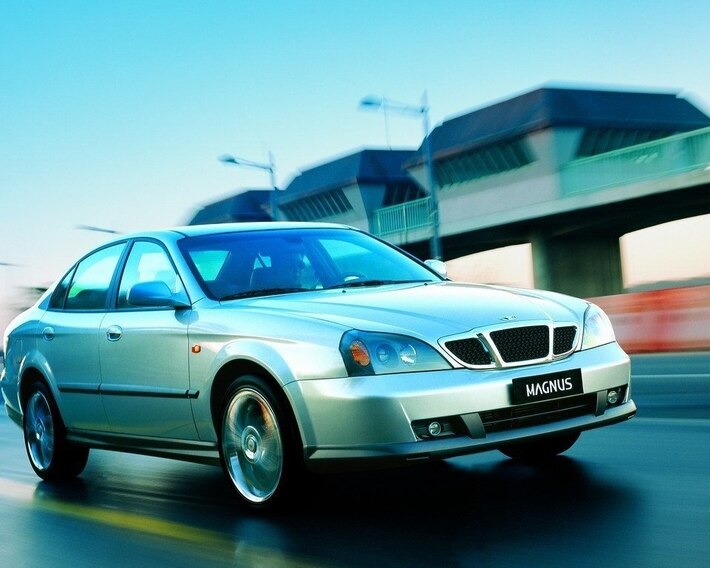
The iconic Daewoo design aesthetic of the 1990s — clean lines, practical packaging, and wide accessibility that resonated across dozens of markets.
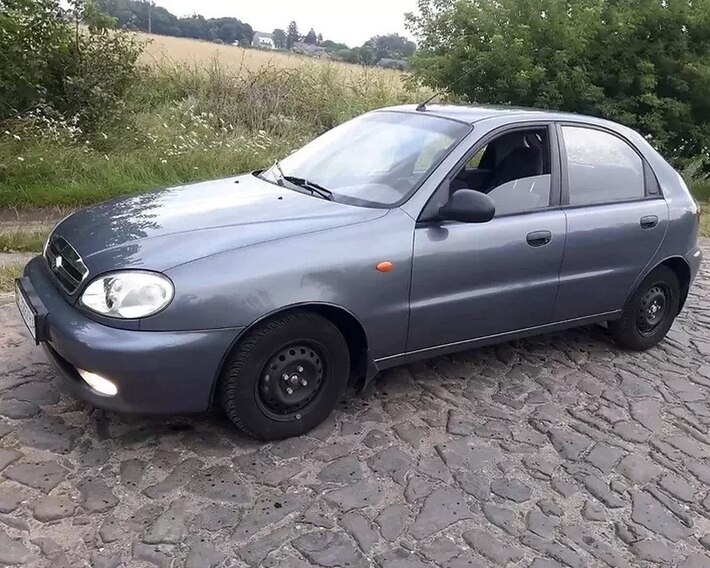
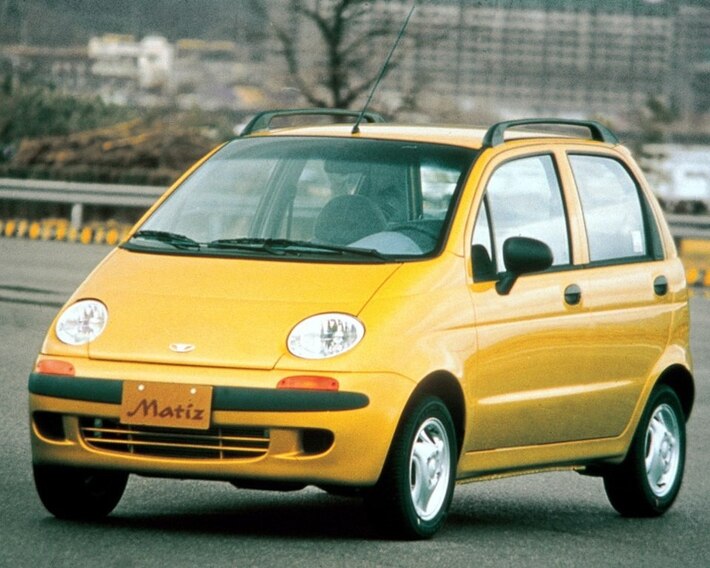
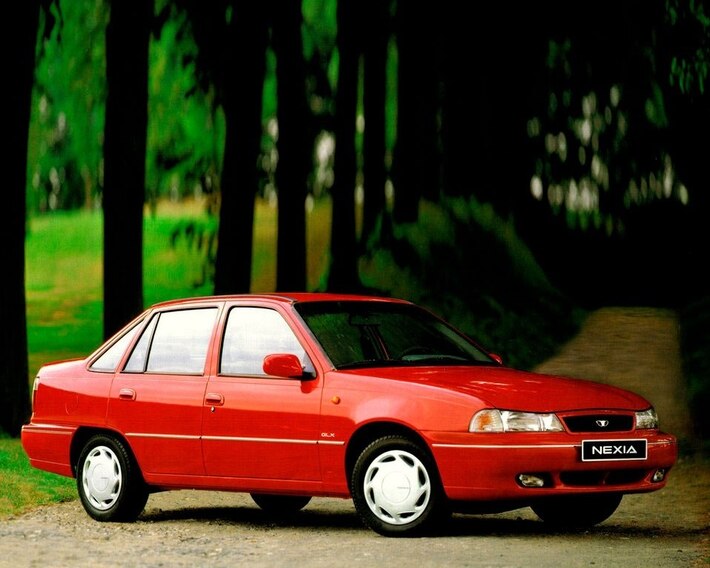
Iconic Daewoo Models
Daewoo's most enduring models left a lasting mark on automotive markets from Europe to Central Asia.
Daewoo Technology
Daewoo's engineering inheritance was shaped by its long partnership with General Motors, which gave the brand access to world-class powertrain and platform technology. The DOHC engine series earned a reputation for fuel efficiency and durability that outlasted the brand itself.
A collaboration with Italian design house Italdesign Giugiaro gave models like the Nexia and Espero the clean, European proportions that helped them stand out in export markets. That East-West design fusion was commercially astute and remains visually appealing decades later.
- DOHC engine technology — proven reliability and efficiency
- GM-derived platform architecture — contemporary standards for its era
- Italdesign Giugiaro collaboration — European aesthetic sensibility
- Robust body construction — multi-layer corrosion protection
- Simple mechanicals — easy for independent mechanics to work on
- Wide parts availability — keeps servicing costs low
Daewoo in Azerbaijan
Matiz, Nexia, Lanos — these names are woven into the automotive memory of a generation of Azerbaijani drivers. From the late 1990s through the mid-2000s Daewoo models dominated the country's roads, prized for their low purchase prices, abundant spare parts, and uncomplicated maintenance.
UzAuto-badged vehicles — descendants of the original Daewoo lineup — continue to enter Azerbaijan via Uzbekistan exports. And the classic Daewoo spare-parts ecosystem remains robust, keeping older examples on the road.
The Case for Daewoo
- Historical significance: Daewoo shaped the automotive culture of Azerbaijan and the wider post-Soviet region during a formative decade.
- Low cost of ownership: Cheap parts, simple mechanicals, and a vast network of independent specialists make running costs minimal.
- Wide familiarity: Mechanics across the former Soviet Union know these cars inside out, making roadside help easier to find.
- Living model line: UzAuto Motors keeps the Nexia, Matiz, and Cobalt in production today.
- Collector appeal: Well-preserved examples carry genuine nostalgic value in the local market.
- Affordable servicing: Running costs are a fraction of equivalent European models.
BakuWheels uses cookies to improve your experience, analyse site traffic, and personalise content. By clicking Accept All, you consent to our use of cookies. Learn more in our Cookie Policy.