

Fiat
Fiat is Italy in automotive form — passionate, stylish, occasionally temperamental, and utterly irreplaceable. For 125 years, the Fabbrica Italiana Automobili Torino has woven itself into the fabric of Italian daily life, from the post-war miracle of the Topolino to the eternal elegance of the 500.
Origins & Heritage
Fiat — Fabbrica Italiana Automobili Torino — was founded on 11 July 1899 in Turin, Piedmont, by a group of investors led by Giovanni Agnelli. From its very first year, Fiat pursued an industrial vision that went beyond mere vehicle manufacturing: it sought to become the engine of Italy's industrial transformation. By 1910, Fiat was operating the largest automobile factory in the world; by 1915, it was supplying military vehicles, aircraft engines, and trucks to the Italian armed forces. The Lingotto factory of 1923 — with its rooftop test track — became one of the most iconic industrial buildings of the twentieth century.
Fiat's post-war role in Italian society was transformative on a scale that is difficult to overstate. The Fiat 500 of 1957 — not the current retro-styled revival, but the original Dante Giacosa-designed Cinquecento — put ordinary Italians behind the wheel for the first time. Affordable, compact, and perfectly proportioned for narrow Italian streets, the Nuova 500 was to Italy what the VW Beetle was to Germany and the Mini was to Britain: a vehicle that defined a generation's relationship with personal mobility.
Over more than a century, Fiat absorbed or partnered with Alfa Romeo, Lancia, Ferrari, Maserati, and Chrysler to assemble what became one of the world's largest automotive groups — today known as Stellantis after the 2021 merger with PSA Group. Yet despite operating at enormous industrial scale, the Fiat brand itself has remained faithful to its Italian character: compact, urban, colourful, and charged with a Latin vitality that no amount of corporate rationalisation has managed to extinguish.
Key Milestones
Iconic Models in Pictures
From the iconic 500 city car to the Panda's versatile charm and the Tipo's practical elegance, Fiat has been putting Italy on wheels for over a century with irresistible style.
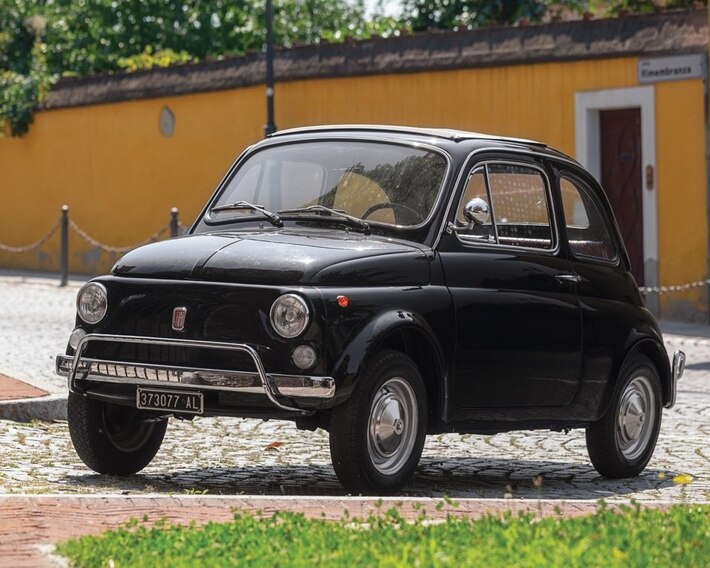
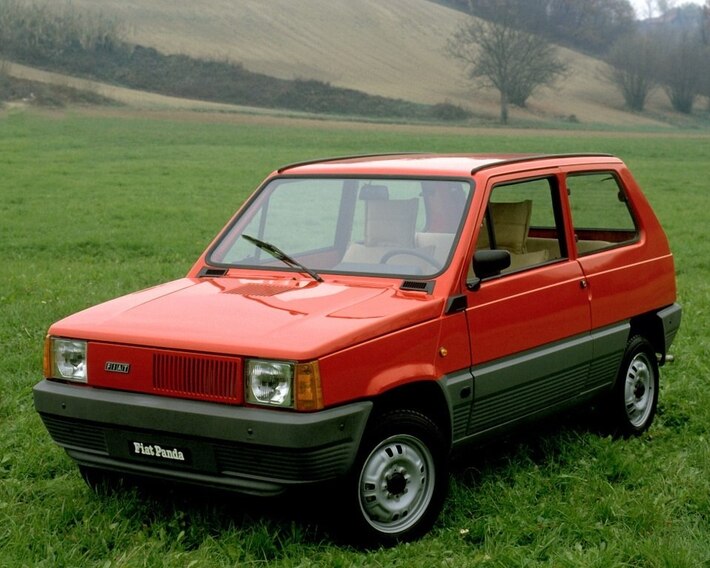
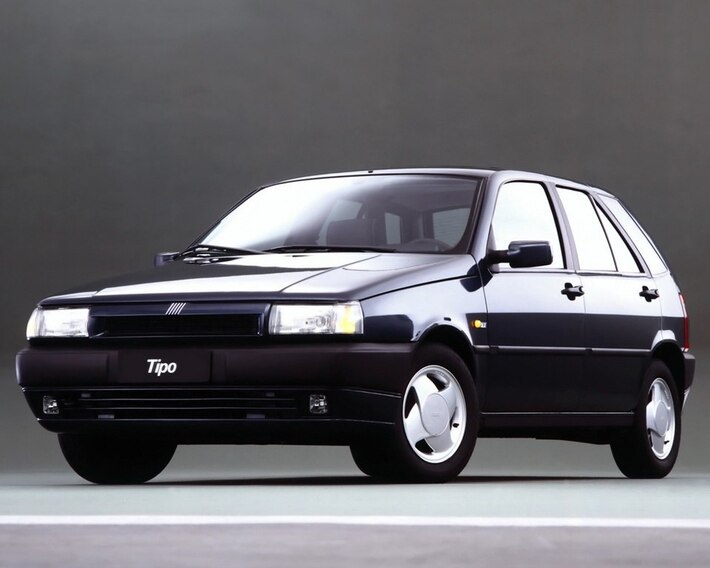
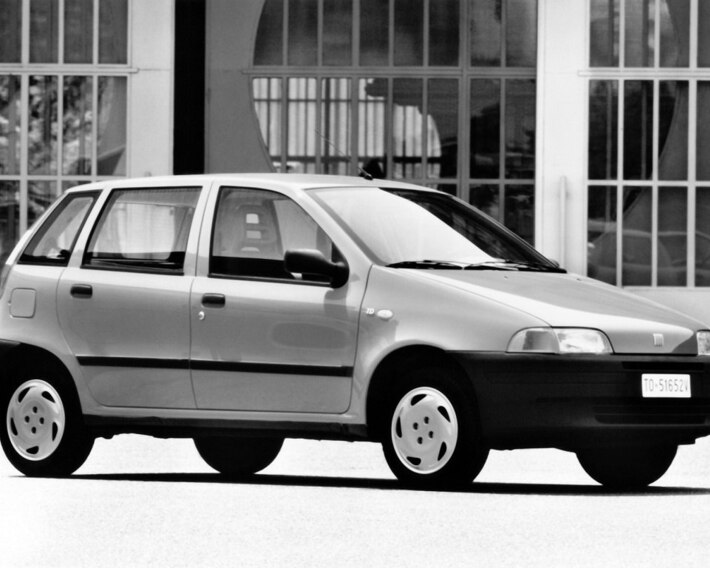
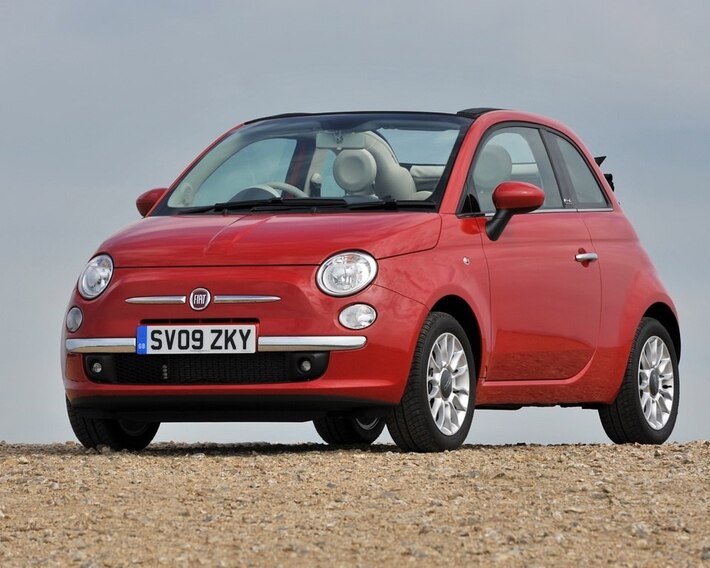
Iconic Model Lineup
Italian Design Philosophy
Fiat's design tradition draws from the deep well of Italian Carrozzeria culture — the coachbuilding workshops of Turin, Milan, and Modena that defined automotive aesthetics across the twentieth century. Designers including Dante Giacosa, Roberto Giolito, and later Frank Stephenson have given Fiat vehicles an expressiveness that transcends their modest dimensions: the 500's rounded forms, the Panda's functional honesty, the Bravo's taut surfacing.
- 500 personalisation — over 500,000 colour and trim combinations available on 500 and 500e models
- Italian manufacturing heritage — Turin and Melfi plants maintain traditional craft-oriented quality standards
- 500e Electric — 320 km WLTP range, convertible option, fast 85 kW charging for urban electric mobility
- Abarth performance — factory-backed performance division transforming city cars into genuine enthusiast vehicles
- Fiat 128 legacy — invented the modern front-wheel-drive layout in 1969, now the foundation of virtually every economy car built
Fiat in Azerbaijan
Fiat has a consistent presence in the Azerbaijani market, with the Tipo representing the best value-for-money family hatchback proposition in the segment. Its competitive pricing, practical interior dimensions, and diesel engine option make it a popular choice among budget-conscious families. The 500 attracts younger buyers and urban professionals seeking a fashionable, distinctive city car.
Fiat's long presence in the Turkish and regional markets ensures parts availability and service expertise across Azerbaijan — an important practical consideration for everyday vehicle ownership. The brand's cheerful, expressive Italian character resonates well with Azerbaijani buyers who appreciate personality and style alongside practicality and value.
Why Choose Fiat?
- Italian character: No other brand at this price point offers Fiat's combination of genuine Italian design heritage and expressive personality.
- 500 icon status: The Fiat 500 is one of the most recognisable and beloved automotive designs in history — ownership is a lifestyle statement.
- Electric 500e: The 500e delivers clean urban mobility in the most charming packaging available — including a convertible option unique in the EV market.
- Affordable practicality: Tipo and Panda deliver generous space and honest reliability at prices that beat most rivals — especially with diesel engines for long-distance drivers.
- Abarth performance: The 500 Abarth is a genuine enthusiast vehicle with racing DNA — factory-developed performance at hot hatch prices.
- Stellantis support: Stellantis group membership means parts commonality, extended dealer networks, and long-term model investment security.
BakuWheels uses cookies to improve your experience, analyse site traffic, and personalise content. By clicking Accept All, you consent to our use of cookies. Learn more in our Cookie Policy.