

Microcar
French no-license microcars — independent mobility for those who cannot or choose not to drive conventional cars.
Origins & History
Microcar was founded in 1984 in Loire-Atlantique, France, entering a uniquely French market segment: voitures sans permis (cars without a licence). French road law permits quadricycles with engines below 50cc or 4kW to be driven by holders of a basic AM licence (formerly no licence at all for those born before 1988) — opening personal mobility to the elderly, disabled drivers who cannot pass a full driving test, and young people not yet old enough for a full licence.
Microcar established itself as one of the leading French microcar brands through the 1990s and 2000s, competing primarily with Aixam and Ligier for dominance of this specialist market. The company's vehicles — small, lightweight, and slow by conventional car standards — nonetheless provided genuine independence to hundreds of thousands of French users who could not or chose not to drive standard cars.
In 2012 Microcar was acquired by the Aixam Group, the dominant force in the French microcar market. This acquisition consolidated the two leading brands under single ownership, allowing production and engineering economies of scale while maintaining the Microcar brand identity for its loyal customer base. Microcar vehicles continue to be produced under the Aixam Group umbrella.
Key Milestones
Notable Models
Microcar produces a range of quadricycle microcars specifically engineered for the no-licence market, combining basic but functional transportation with the legal requirements for AM category operation.
Engineering Characteristics
Microcar vehicles are engineered as light quadricycles within specific European weight and power limits that allow them to be driven under the AM category licence. This regulatory framework shapes every engineering decision, with maximum unladen weight capped at 350kg and power output limited to 4kW (5.4bhp).
- Diesel microengines — Microcar vehicles use small single-cylinder diesel engines producing under 4kW, delivering sufficient power for urban speeds within the strict legal limits while providing reasonable fuel economy for their intended city use
- Electric powertrain options — Microcar offers electric versions of key models, making zero-emission urban mobility accessible to no-licence users with the additional benefit of ultra-low running costs and simplified maintenance
- Lightweight construction — achieving the 350kg maximum weight limit while providing a usable, weatherproof cabin requires intensive use of lightweight materials and simplified mechanical systems compared to conventional cars
- Urban-optimised design — Microcar vehicles are specifically designed for city use with small external dimensions, tight turning circles, and low-speed engineering that makes them manoeuvrable in dense urban environments where full-size cars struggle
Microcar in Azerbaijan
Microcar vehicles are not present in Azerbaijan. The voitures sans permis concept is specific to French road law, and the lightweight quadricycle regulatory category does not exist in Azerbaijan's vehicle classification system. Azerbaijani drivers require a standard driving licence for all motorised vehicles beyond mopeds, making the no-licence microcar proposition irrelevant in the local market.
However, the broader concept of accessible urban mobility vehicles is increasingly relevant globally as cities seek to reduce congestion and emissions. The Microcar model — lightweight, low-powered, urban-specific vehicles designed for those who cannot or prefer not to use standard cars — represents an interesting alternative approach to urban transport that may have wider applicability as mobility concepts evolve.
Why Microcar Matters
- Accessible mobility for all: Microcar addresses a genuine social need — providing independent personal mobility to elderly drivers who have surrendered their full licence, young people under driving age, and those with conditions preventing standard licence acquisition.
- Urban efficiency: Microcar's lightweight, small-footprint vehicles are perfectly sized for dense urban environments, offering mobility solutions that full-size cars handle poorly — easy parking, narrow passage navigation, and low energy consumption.
- French regulatory innovation: The voitures sans permis category demonstrates how progressive regulatory frameworks can enable specialist vehicle markets that serve genuine social needs without compromising road safety for other users.
- Electric transition leadership: Microcar has been among the leaders in transitioning the no-licence microcar segment to electric power, making zero-emission urban mobility accessible to users who benefit most from the low running costs and simple maintenance of battery electric vehicles.
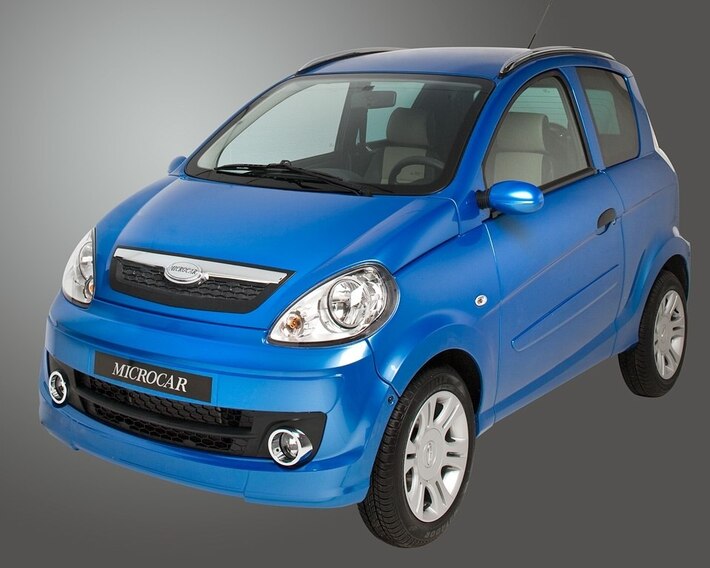
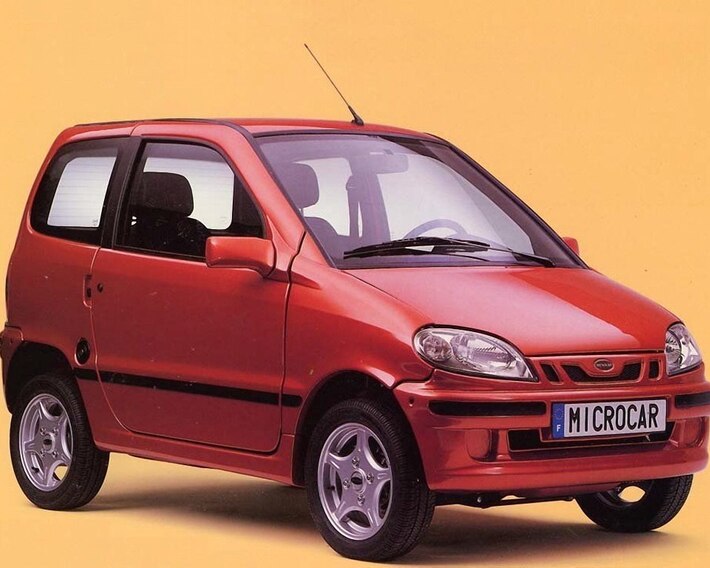
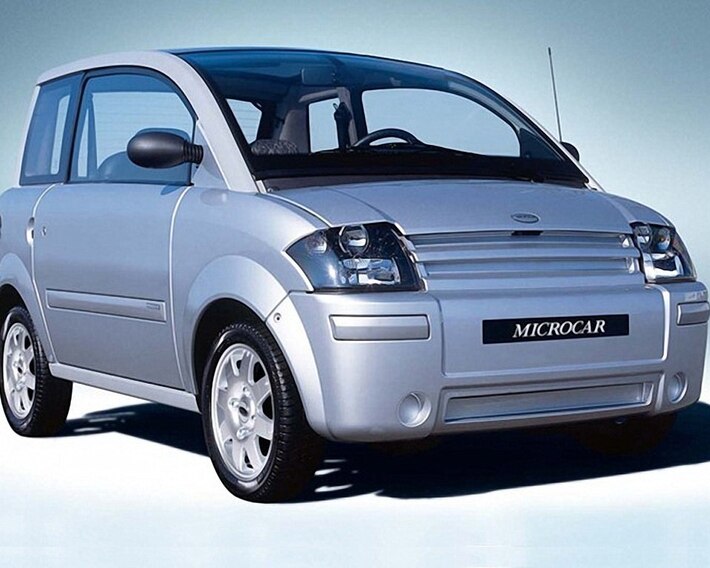
Iconic Models in Pictures
Microcar vehicles — a visual selection of the iconic models produced by this manufacturer.
BakuWheels uses cookies to improve your experience, analyse site traffic, and personalise content. By clicking Accept All, you consent to our use of cookies. Learn more in our Cookie Policy.