
Opel
Adam Opel founded his company in 1862 making sewing machines and produced Germany's first electric car concept in 1899. Over 160 years later, Opel remains one of Europe's most significant car brands — offering German engineering precision, thoughtful practicality, and an accelerating commitment to full electrification that is transforming the accessible car market.
Origins & Heritage
The Opel story begins not with a car but with a sewing machine. Adam Opel founded his manufacturing company in Rüsselsheim, Hesse, in 1862, initially producing sewing machines that competed with Singer in the German market. In 1886 — the same year Karl Benz patented the Motorwagen — Opel pivoted to bicycle manufacturing. Automobiles followed in 1899, when Opel purchased the rights to Friedrich Lutzmann's car designs and began producing the first Opel automobiles in Rüsselsheim.
Adam Opel died in 1895, before the first Opel automobile was produced. His five sons continued the enterprise with remarkable energy, and by 1906 Opel had become Germany's largest automobile manufacturer. General Motors acquired Opel in 1929, integrating the German manufacturer into its global operations. Under GM ownership, Opel developed the Kadett, the Rekord, the Manta, and the Corsa — cars that defined mainstream European motoring for generations.
In 2017, GM sold Opel (and its sister brand Vauxhall in the UK) to PSA Group. In 2021, PSA merged with Fiat Chrysler Automobiles to form Stellantis, placing Opel within one of the world's largest automotive groups. Under this ownership, Opel has committed to offering an electrified version of every model in its European range by 2024, and selling only electric or plug-in hybrid passenger cars in Europe by 2028.
Key Milestones
Iconic Model Lineup
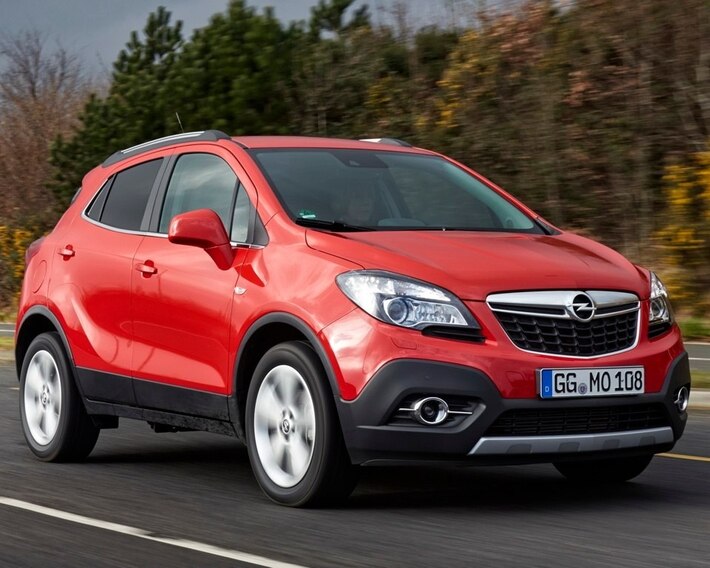
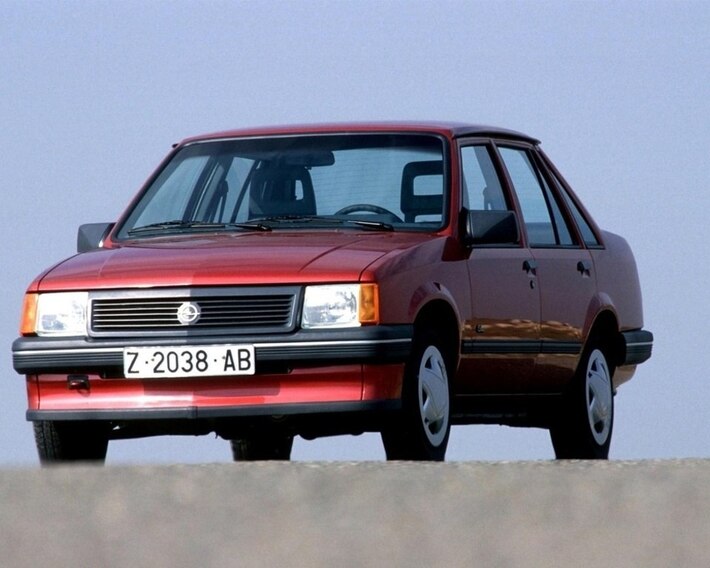
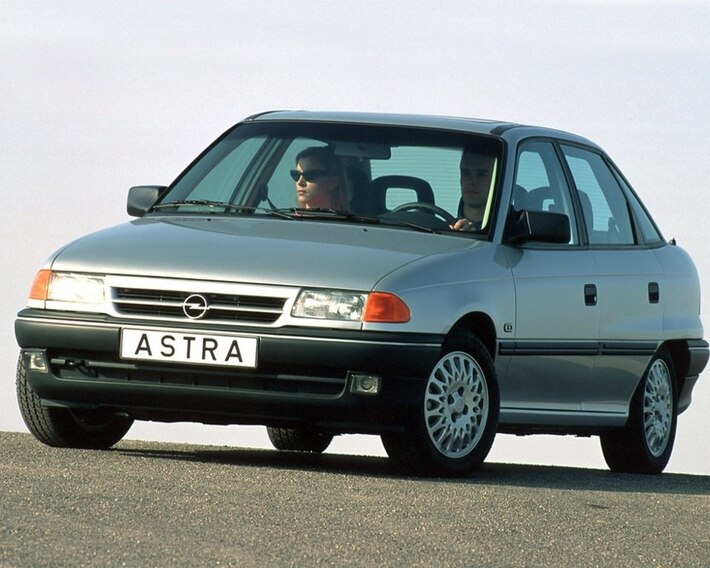
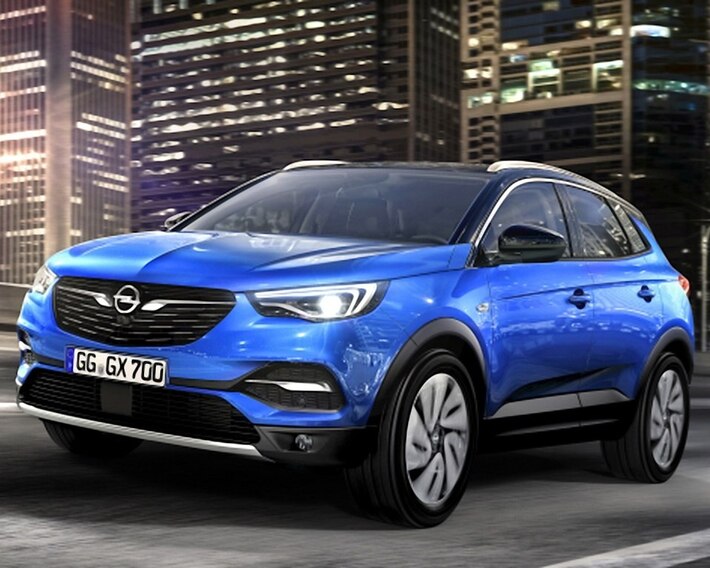
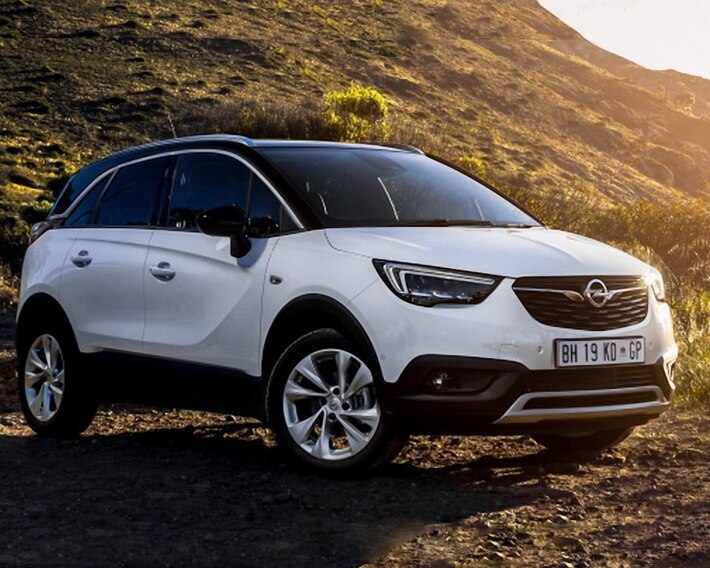
Opel's range spans every mainstream segment: the Corsa supermini, the Astra compact, the Crossland and Mokka compact crossovers, the Grandland mid-size SUV, and the Vivaro commercial van. Every passenger car model is now available with an electric powertrain, reflecting Opel's most ambitious electrification commitment in its 160-year history.
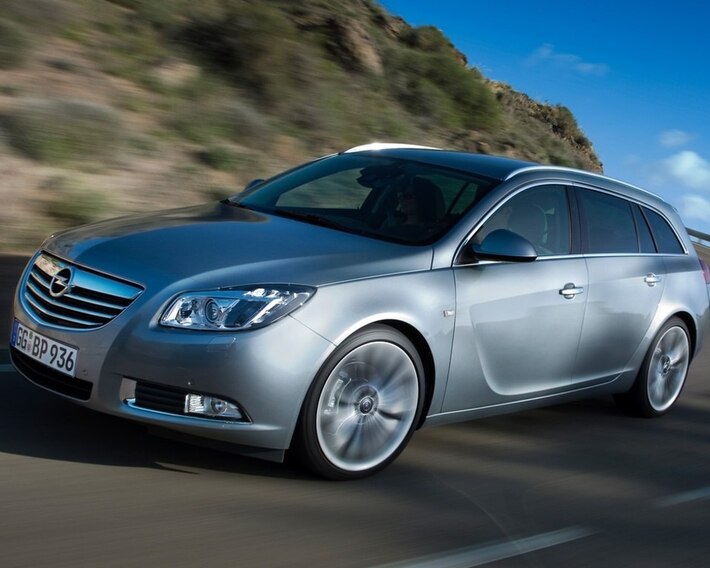
Iconic Models in Pictures
Opel's range from the electric Corsa-e city car to the Grandland plug-in hybrid SUV represents German engineering values democratised for mainstream European buyers.
Electrification — Future is Everyone's
Opel's electrification commitment is among the most ambitious in mainstream automotive — every passenger car model available with an electric or plug-in hybrid option by 2024, and exclusively electrified passenger cars in Europe by 2028. Under the Stellantis umbrella, Opel shares electric powertrains and platforms with Peugeot and Citroën, achieving economies of scale that allow competitive EV pricing in the mainstream segment.
The Corsa-e, launched in 2020, demonstrated that electric cars could be mainstream and affordable. The Mokka-e's bold design language, featuring the distinctive 'Opel Vizor' front face and 'Pure Panel' digital cockpit, signals the brand's intent to make electric mobility genuinely desirable rather than merely acceptable.
- All models electrified by 2024 — industry-leading commitment to accessible EV range across the full lineup
- Corsa-e 350 km WLTP range — competitive range at accessible pricing makes the electric supermini genuinely practical
- Pure Panel cockpit — driver-focused dual-screen interface replacing all analogue instruments
- Intelli-Lux LED matrix headlights — individually controlled LEDs that illuminate without dazzling oncoming traffic
- AGR-certified seats — ErgoComfort seats endorsed by the Campaign for Healthier Backs, standard on GSe and GS Line
Opel in Azerbaijan
Opel has maintained a consistent presence in Azerbaijan's mainstream car market, with models like the Astra and Insignia valued for their German engineering quality at competitive prices. The Opel Corsa and Astra have found particular favour among urban buyers who appreciate European design standards, practical interior layouts, and reliable mechanical quality.
The brand's electrification push is beginning to attract attention in Azerbaijan as EV infrastructure gradually improves. Opel's position as an accessible European brand with German roots and Stellantis group support gives it strong credibility in a market that values both European heritage and practical affordability.
Why Choose Opel?
- German engineering: Over 160 years of German manufacturing tradition delivers the precision and reliability that buyers associate with the home country of the automobile.
- Electrification leadership: Among the first mainstream brands to offer electric versions of all models — EVs accessible at mainstream prices without compromise on practicality.
- Value for money: Opel delivers comparable quality to more expensive German brands at pricing accessible to mainstream buyers — exceptional value in the European compact segment.
- Safety technology: Intelli-Lux LED matrix headlights, autonomous emergency braking, and lane-keeping assistance available across the range at realistic prices.
- Comfort focus: AGR-certified seats and detailed ergonomic attention make Opels particularly comfortable on long journeys — a genuine differentiator from competitors.
- Stellantis scale: Group membership means access to shared development costs for electric platforms, keeping Opel at the forefront of electrification without prohibitive pricing.
BakuWheels uses cookies to improve your experience, analyse site traffic, and personalise content. By clicking Accept All, you consent to our use of cookies. Learn more in our Cookie Policy.