Subaru
Subaru's devotion to symmetrical all-wheel drive, horizontally opposed boxer engines, and genuine all-weather capability has created one of the most loyal owner communities in the automotive world. 'Love. It's what makes a Subaru, a Subaru' — a tagline that, unusually for advertising, reflects a measurable truth in resale values and repeat purchase rates.
Origins & Heritage
Subaru's origins lie in post-war Japanese industrial policy. Fuji Heavy Industries (FHI) was established in 1953 from the remains of Nakajima Aircraft — one of Japan's largest wartime aircraft manufacturers, prohibited from aircraft production after Japan's defeat. The transition from aircraft to automobiles was not incidental: the precision engineering culture and lightweight construction expertise from aviation influenced Subaru's car designs from the very first P-1 prototype of 1954.
The name Subaru is the Japanese word for the Pleiades star cluster — a group of six stars visible in the constellation Taurus. The six stars represent the six companies that merged to form Fuji Heavy Industries, and the Subaru badge — a large star surrounded by five smaller stars — has adorned every Subaru vehicle since 1958. Unusually in the automotive world, Subaru's logo is an accurate astronomical representation rather than a stylistic abstraction.
Two engineering decisions made in the 1960s defined Subaru's character for all subsequent generations: the adoption of the horizontally opposed 'boxer' engine layout in 1966, and the development of symmetrical all-wheel drive in 1972. Both choices were driven by engineering logic rather than marketing — boxer engines lower the centre of gravity and improve balance; symmetrical AWD delivers equal torque to both sides simultaneously for predictable handling. These decisions, made fifty years ago, still distinguish every Subaru on the road today.
Key Milestones
Iconic Model Lineup
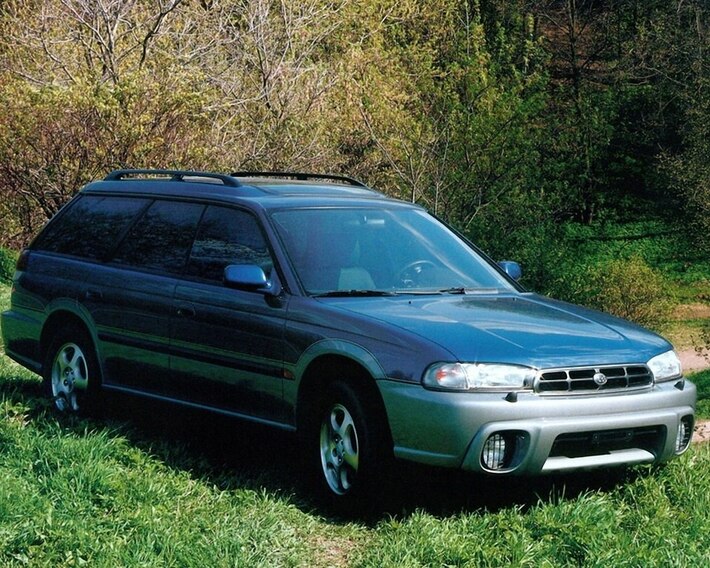
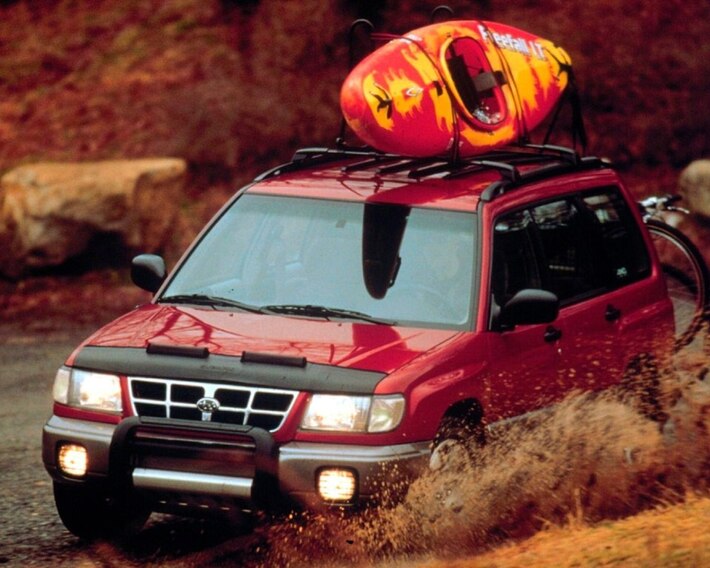
Subaru's range is defined by the Symmetrical AWD principle — virtually every model sold comes standard with all-wheel drive, an extraordinary commitment that no other mainstream brand matches. The Outback leads sales globally, the Forester dominates family SUV appeal, the Impreza and Legacy provide saloon and wagon options, and the WRX carries the sporting flame lit by the rally-winning cars of the 1990s.
Iconic Models in Pictures
From the iconic WRX STI rally heritage to the all-weather Outback and the electric Solterra, Subaru's range channels Japanese engineering discipline into every road condition.
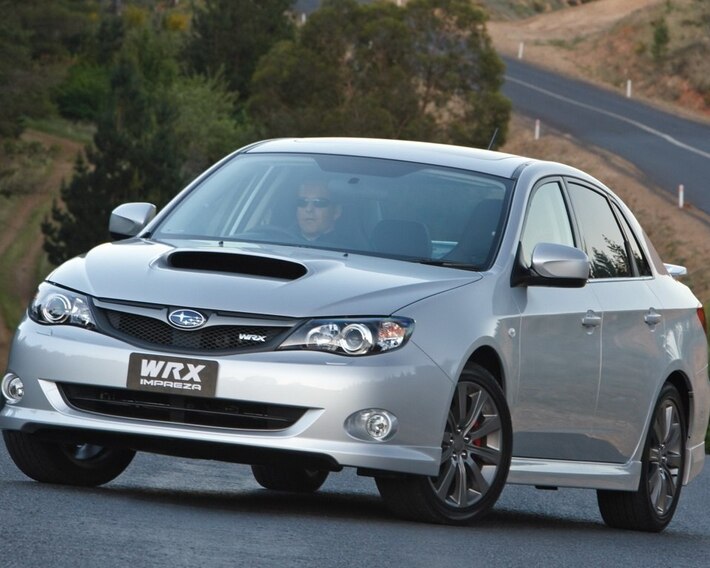
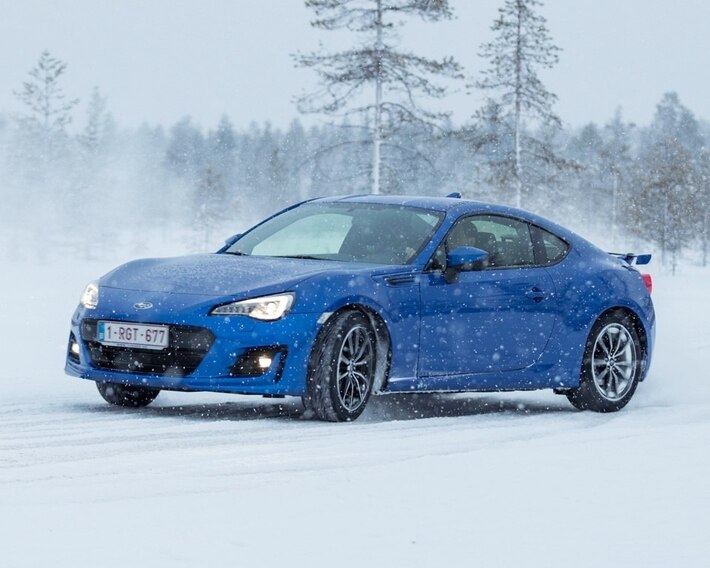
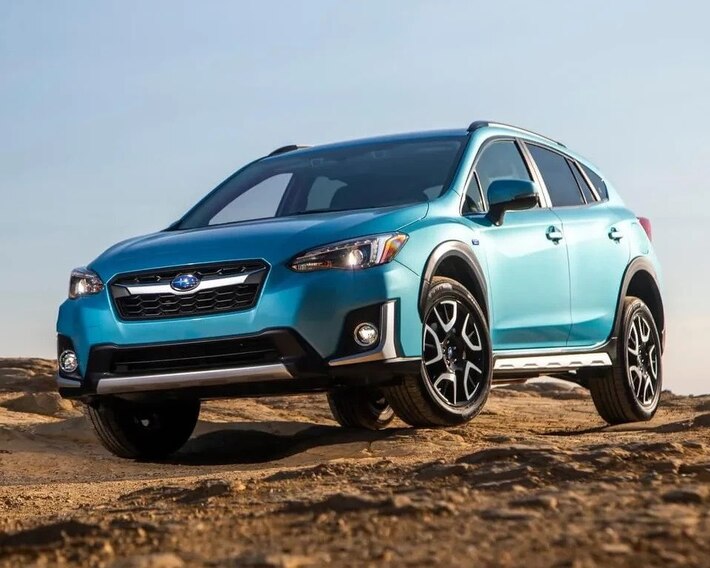
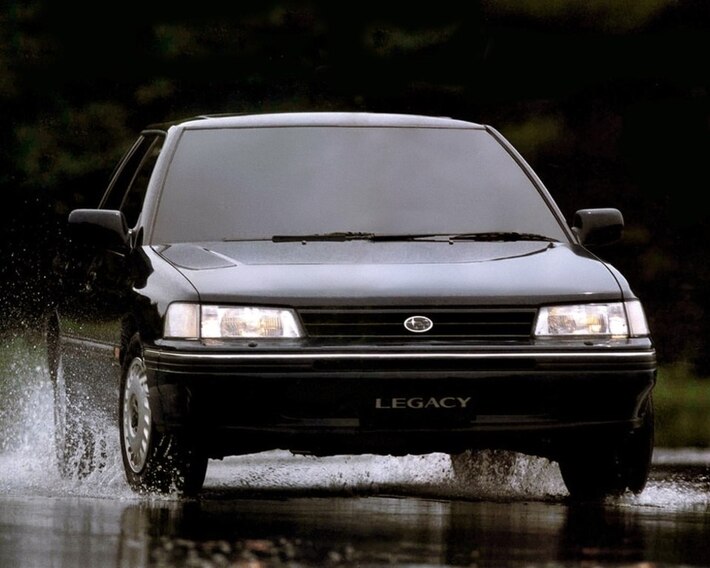
Symmetrical AWD — The Subaru Difference
Subaru's Symmetrical All-Wheel Drive is not merely a feature — it is the brand's core engineering philosophy. Unlike other AWD systems that add drive to a second axle as an afterthought, Subaru's system is designed from the outset with equal-length driveshafts and a centreline-aligned powertrain that distributes torque symmetrically — left equals right, front equals rear.
The system's effectiveness was proven most dramatically in the World Rally Championship, where the Impreza WRX won three consecutive Drivers' Championships between 1995 and 1997 with Colin McRae, Piero Liatti, and Richard Burns — and three Manufacturers' Championships in the same period. The rally car's suspension geometry and AWD calibration fed directly into the production WRX STI, one of the most celebrated performance cars of the 1990s and 2000s.
- Standard AWD on virtually every Subaru model — unique in the mainstream segment
- X-Mode terrain management — optimises torque distribution for mud, sand, snow, and rock crawling
- EyeSight driver assistance — stereo camera pre-collision braking system with 85% reduction in rear-end accidents in independent testing
- Boxer engine centre of gravity — 40 mm lower than equivalent inline or V configurations, improving handling balance
- WRC Drivers' Championships — 1995 (McRae), 1996 (Liatti), 1997 (Burns); three consecutive Manufacturers' titles
Subaru in Azerbaijan
Subaru's all-wheel-drive capability makes it particularly well-suited to Azerbaijan's varied terrain — from Baku's city streets to mountain roads in the Caucasus region that require genuine traction and stability. The Outback and Forester are the most popular models, valued for their combination of practicality, genuine off-road ability, and reliability in both hot and cold weather conditions.
The WRX maintains a passionate enthusiast following in Azerbaijan among drivers who appreciate the combination of turbocharged performance and all-weather AWD capability. Subaru's reputation for long-term mechanical reliability and strong resale values further enhances its appeal in the Azerbaijani market.
Why Choose Subaru?
- AWD as standard: Every mainstream Subaru comes with symmetrical AWD — no up-charge, no compromise, no two-wheel-drive base model with expensive AWD option.
- All-weather confidence: Subaru's AWD and EyeSight system combination produces the lowest accident rates in independent insurance testing — proven safety in all conditions.
- Boxer reliability: Horizontally opposed engine layout eliminates vibration harmonics that afflict four-cylinder engines — smoother, more durable, and longer-lasting in practice.
- WRC heritage: Three consecutive World Rally Championship titles give the WRX motorsport credentials that no other everyday saloon can claim.
- Resale strength: Subaru vehicles retain their value better than virtually all mainstream rivals — the combination of AWD capability and reliability creates consistent used-car demand.
- Owner loyalty: Subaru consistently records the highest customer loyalty rates in independent surveys — buyers who choose Subaru tend to stay with Subaru, reflecting genuine product satisfaction.
BakuWheels uses cookies to improve your experience, analyse site traffic, and personalise content. By clicking Accept All, you consent to our use of cookies. Learn more in our Cookie Policy.