
Alfa Romeo
"La meccanica delle emozioni" — the mechanics of emotions. Alfa Romeo has made Italian hearts race since 1910, producing cars so beautiful and so involving to drive that ownership is often described not as a choice but as a calling. The cross of Milan, the serpent of Visconti — the badge that demands passion.
Origins & Heritage
Alfa Romeo was born on June 24, 1910, when Nicola Romeo acquired the Anonima Lombarda Fabbrica Automobili (ALFA) and merged his industrial empire with the Milan-based car manufacturer. The combined entity — Alfa Romeo — quickly established itself as a motorsport force of the highest order, winning the inaugural World Sportscar Championship in 1925 and the first two Formula 1 Constructors' Championships in 1950 and 1951.
The badge tells the story of Milan — the red cross of the Milanese Crusaders and the serpent of the Visconti family, the medieval rulers of Lombardy. According to legend, a Milanese crusader slew a Saracen whose coat of arms featured a serpent devouring a child; he incorporated the image into his own heraldry. Whether apocryphal or not, the image captures Alfa Romeo's spirit — beautiful, dangerous, and deeply Italian.
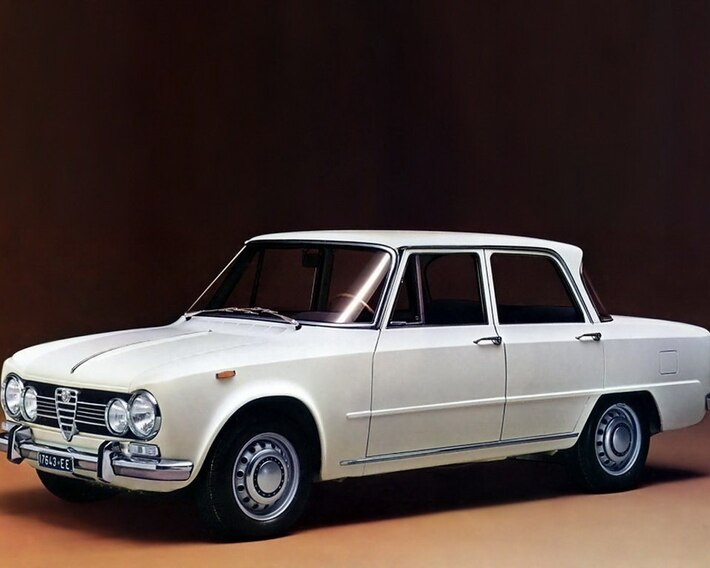
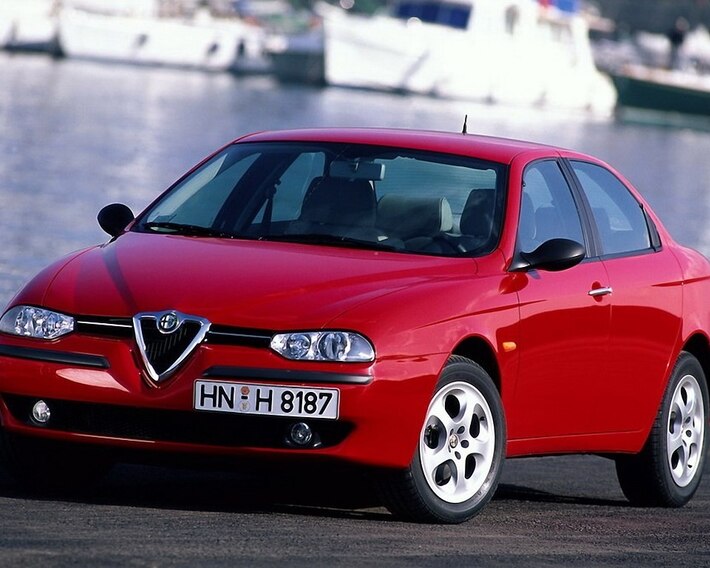
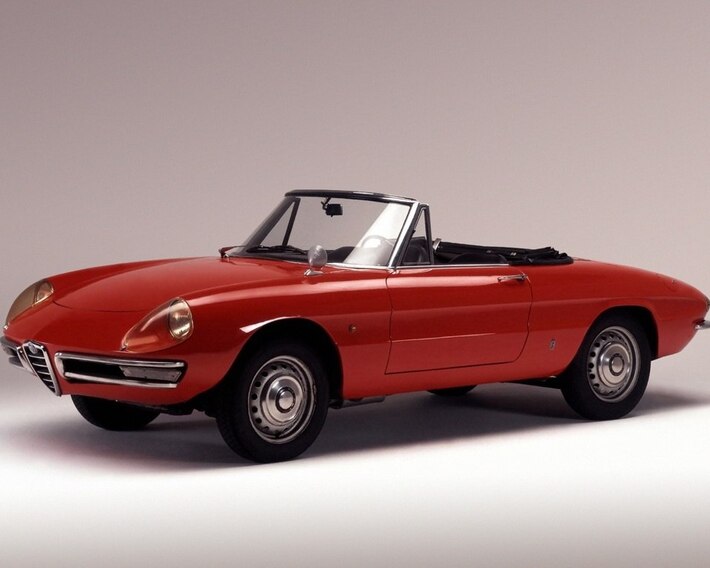
Through the 20th century, Alfa Romeo produced a succession of cars that defined Italian automotive culture: the 1900, the Giulietta, the Giulia, the Spider, the Montreal, the 147 GTA, and the 156 — a car voted 'Car of the Year' in 1997 that reasserted Alfa's position as a maker of genuinely involving driving machines rather than mere transporters.
Key Milestones
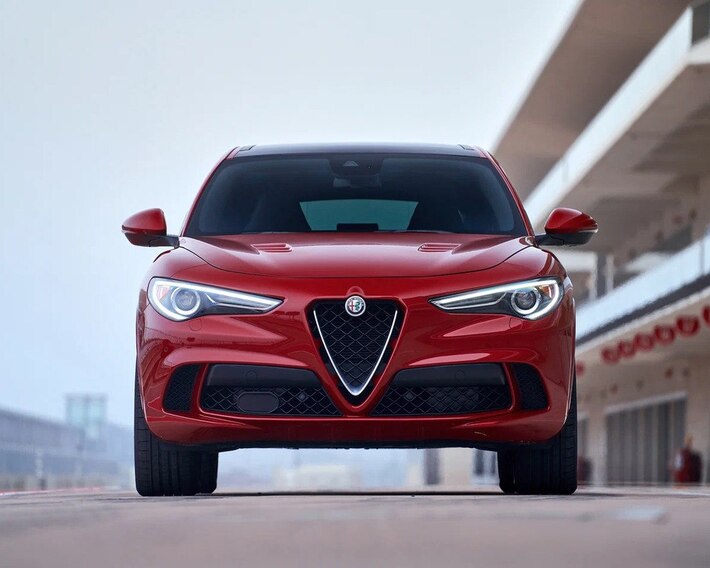
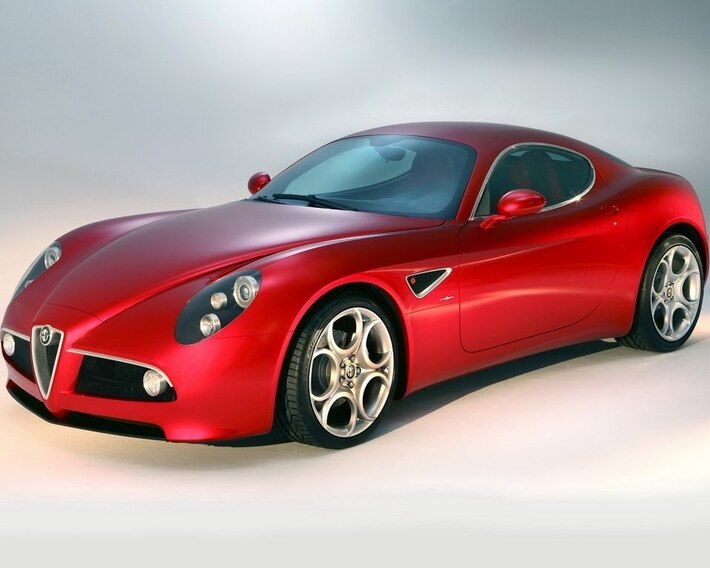
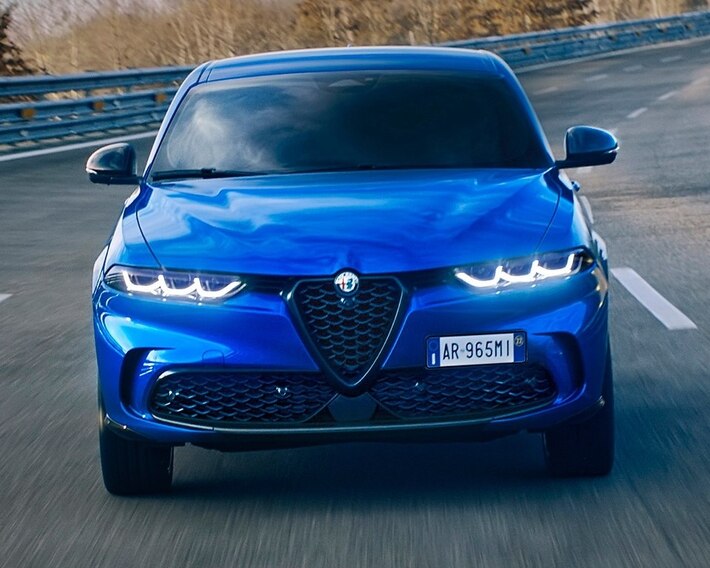
Iconic Models in Pictures
The Giulia Quadrifoglio's driver-focused performance, the Stelvio's sporting SUV character, and the legendary 8C Competizione — Alfa Romeo builds cars for drivers who believe that beauty and passion are as important as engineering.
Signature Model Lineup
The current Alfa Romeo range balances Italian emotional design with genuine driving performance — a balance the brand calls 'La meccanica delle emozioni'. Each model carries Alfa DNA through rear-wheel-drive bias where possible, Ferrari-adjacent engine technology in top variants, and an interior philosophy that prioritises the driver.
Technology & Innovation
Alfa Romeo's engineering philosophy prioritises driver experience over comfort — a commitment that manifests in the Giorgio platform underpinning the Giulia and Stelvio. Giorgio was designed from the outset to accommodate rear-wheel drive and all-wheel drive with a rear-biased torque split, with structural rigidity that supports both everyday composure and track-capable performance.
The 2.9-litre V6 twin-turbocharged engine in the Giulia and Stelvio Quadrifoglio models is unique to Alfa Romeo within the Stellantis group — co-developed with Ferrari engineers, featuring plasma-transferred wire arc cylinder bore coating and a dry-sump lubrication system borrowed directly from Ferrari's supercar programme.
- Giorgio platform — rear-wheel-drive biased architecture with 50:50 weight distribution
- Ferrari-developed 2.9L V6 — plasma-coated bores, dry sump, 510 hp from 6,500 rpm
- Active Torque Vectoring — torque distributed between rear wheels for perfect cornering balance
- Carbon fibre driveshaft — Giulia Quadrifoglio uses a lightweight carbon propshaft for reduced rotational inertia
- Alfa DNA Pro — configurable driving modes including Race with driver-adjustable stability parameters
- Tonale PHEV — 280 hp total system output with 50 km electric-only range
Alfa Romeo in Azerbaijan
Alfa Romeo has attracted Azerbaijani buyers who seek Italian emotional engagement as an alternative to the German mainstream. The Giulia, in particular, has found favour as a premium saloon choice among drivers who prioritise the experience of driving over Germanic efficiency — a customer for whom the sound of the V6, the feel of the steering, and the beauty of the design are non-negotiable.
The Stelvio SUV has introduced a new generation of Azerbaijani buyers to the Alfa Romeo proposition — combining the practicality required for Baku's varied road conditions with the emotional character unique to the brand. Within the Stellantis dealer network serving Azerbaijan, Alfa Romeo benefits from professional service standards and genuine parts availability across all current models.
Why Choose Alfa Romeo?
- Italian emotional design: Every Alfa Romeo is designed to produce an emotional response — from the badge to the exhaust note, ownership is a sensory experience.
- Ferrari engineering DNA: The Quadrifoglio V6 is co-developed with Ferrari engineers — you are driving technology shared with Maranello's finest.
- Nürburgring supremacy: The Giulia Quadrifoglio and Stelvio Quadrifoglio both hold production car lap records — objective proof of extraordinary dynamic capability.
- Rear-wheel drive: At a time when rivals have largely abandoned it, Alfa Romeo remains committed to rear-wheel-drive for its sports saloons and SUVs.
- Racing heritage: 110+ years of motorsport — from Targa Florio to Formula 1 — gives every Alfa Romeo model a provenance that few rivals can claim.
- Electrified future: Tonale and Junior signal Alfa Romeo's commitment to hybrid and electric drivetrains without abandoning Italian driving passion.
BakuWheels uses cookies to improve your experience, analyse site traffic, and personalise content. By clicking Accept All, you consent to our use of cookies. Learn more in our Cookie Policy.